Lab Members
Maria is an Associate Professor at Department of Biomedicine and the head of the research group. She is a former Sapere Aude Young Elite Researcher Award recipient from The Danish Council of Independent Research which she completed as a postdoctoral fellow at Cambridge University, UK. She holds a PhD in Nanotechnology focused on protein biophysics and protein aggregation from Aarhus University and a Masters in Medical Biotechnology from Aalborg University. She has a broad knowledge of biophysical techniques to investigate protein self-assembly. Her current focus is on functional amyloids from bacterial biofilms.

Susanne is the Laboratory Technician of the AMY-lab. Highly knowledgeable in all aspects of safety, she takes great pride in working with the utmost care and ensuring that the lab operates to the highest standards.
Kasper is a PhD student at Aarhus University and affiliated with University of Pittsburgh. Originally a dental student, he picked up a keen interest for the medical side of academics. He is skilled in Electron Microscopy, Cryo-EM, cell cultures, animal models and recombinant protein expression. His thesis work is on structural studies of amyloid fibrils.
In his spare time he enjoys restoring motorcycles, life on two wheels, hiking and cooking.
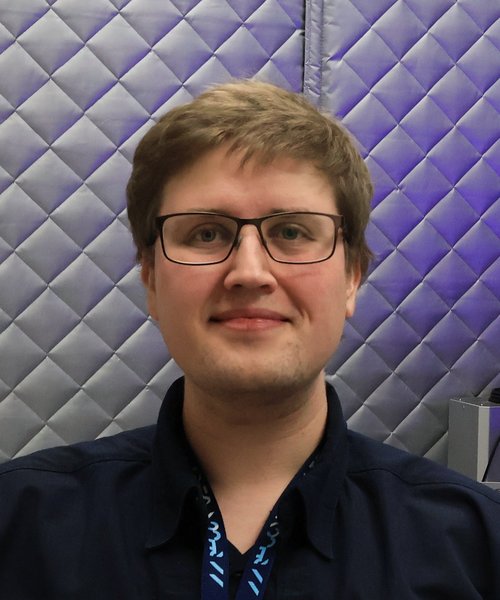
Emilie is a medical student at Aarhus University. She has completed a research year studying how buffer and salt conditions affects amyloid formation in Staphylococcus aureus, and she is now writhing her thesis on how extracellular DNA influences the aggregation of PSM peptides. Through her work, she seeks to uncover how functional amyloids respond to different environments, aiming to gain a deeper understanding of bacterial biofilms and contribute to strategies against biofilm-associated infections. Outside of her studies, Emilie enjoys running, traveling and spending time with friends and family.
Emilie Buhl Plechinger
Research year student
Lab Alumni
Lab Alumni
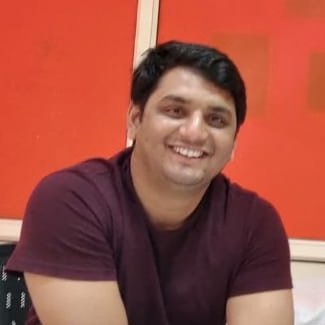
Masih joined the lab as a postdoctoral fellow (2018-2020) after completing a PhD in Biotechnology at Aligarh Muslim University. He studied the molecular mechanisms of phenol-soluble modulins (PSMs) in Staphylococcus aureus biofilms and factors regulating their amyloid formation. Following his stay in the lab he relocated to St. Jude Children’s Research Hospital, USA, as a postdoctoral fellow studying protein aggregation and amyloid mechanisms in neurodegenerative diseases using structural and proteomics approaches. Outside the lab, he enjoys traveling, cooking, cricket, and time with friends and family.
Masihuz Zaman
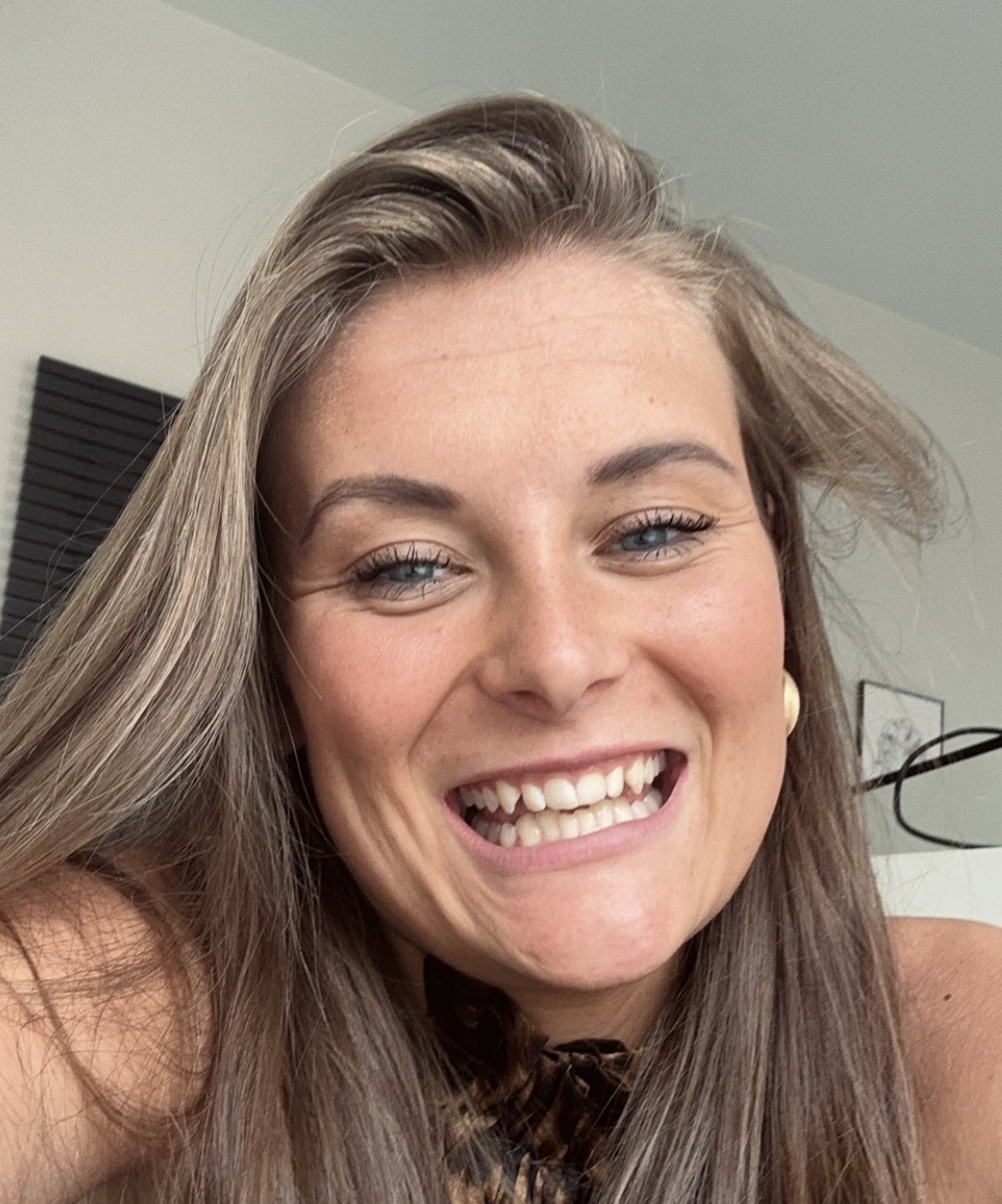
Kamilla joined the lab during her research year in medicine, working with phenol-soluble modulins (PSMs) from Staphylococcus aureus together with bacterial surface lipids (LPS). She investigated the kinetics of these peptide–lipid systems, focusing on how their mixing influenced aggregation behaviour. Kamilla is now a medical doctor employed as an introductory physician at the Department of Psychoses at Aarhus University Hospital (AUH).
Kamilla Kristoffersen
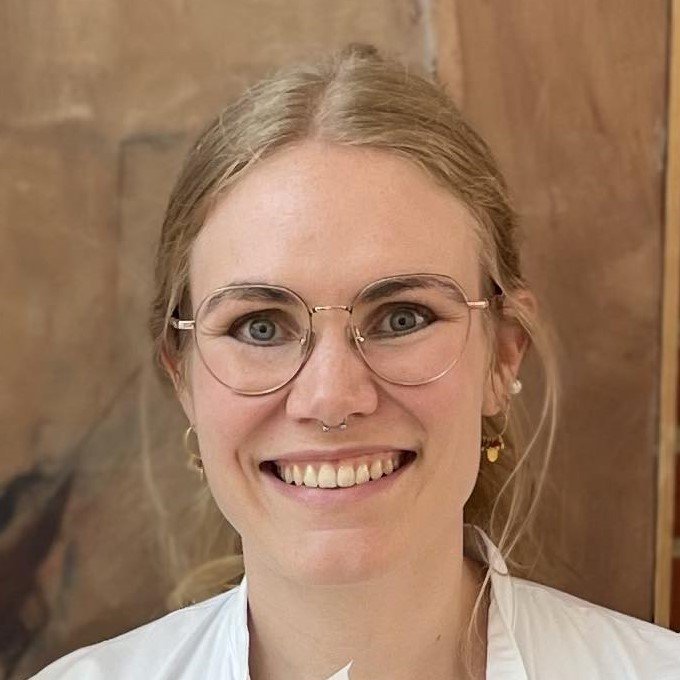
Luisa is a Biotechnology student at HSWT in Freising, Germany. She recently completed an Erasmus internship in the AMY-Lab at Aarhus University, where her project investigated how heparin influences the aggregation of FapC, the main protein component of functional amyloid in Pseudomonas biofilms. During her time in the lab, Luisa gained hands-on experience in protein biochemistry and laboratory research, and developed a deeper understanding of protein aggregation processes. Outside the lab, she enjoys staying active by playing volleyball, as well as reading and cooking.
Luisa Heissbauer
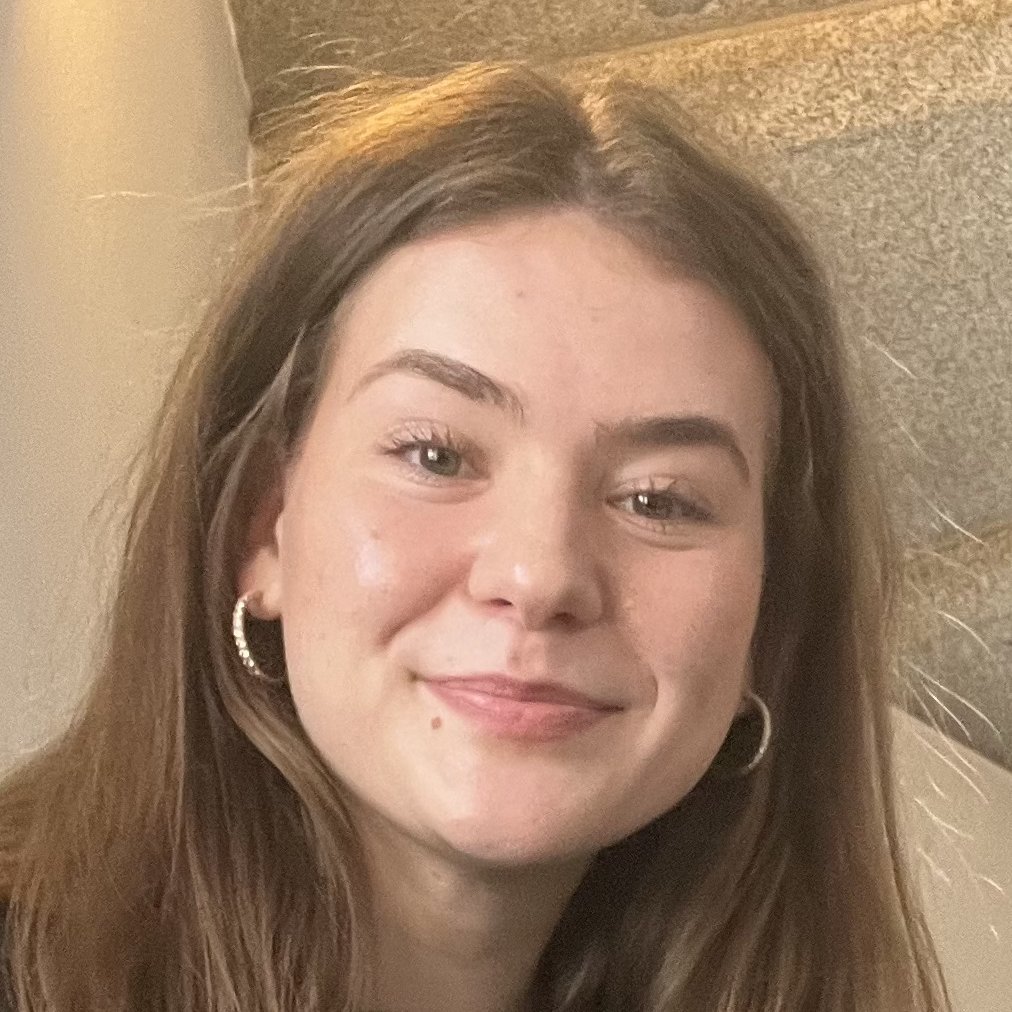
Qian finished her PhD at Aarhus University in February 2026.
She is skilled in Atomic Force Microscopy, Electron Microscopy, Scanning Electron Microscopy and other biophysical techniques. She worked on exploring the cross-talk fibrillation of amyloid fibrils in different systems. When not at work, she enjoys wandering along the sea, cooking and travelling.
Qian Liu

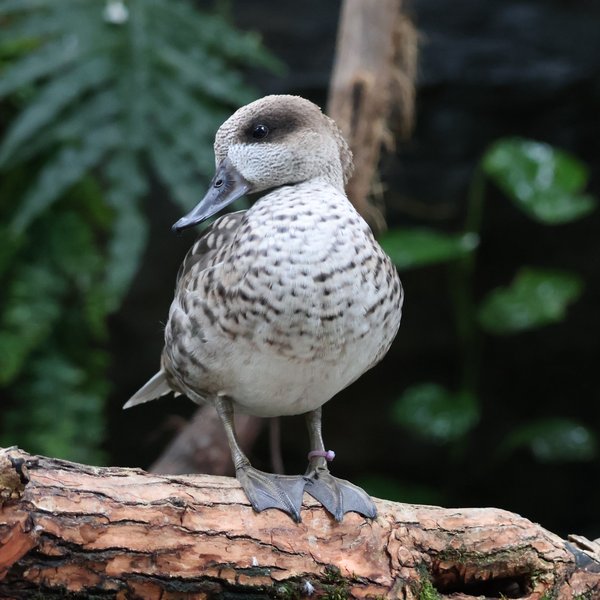
Quack Duckinstein was an ordinary duck, until a freak interaction with a growth enhancing hormone caused a surge in intelligence. Quack would go on to solve the riddles of inverse reactive current for use in unilateral phase detractors. Quack is now employed as a specialist contractor working with Turbo Encabulators and operation of novertrunnions.
In her free time she enjoys lazing around the pond, eating frozen peas, and pecking at nature.
Dr. Duckinstein the 3rd
Current Students
Anders -Biology Masters
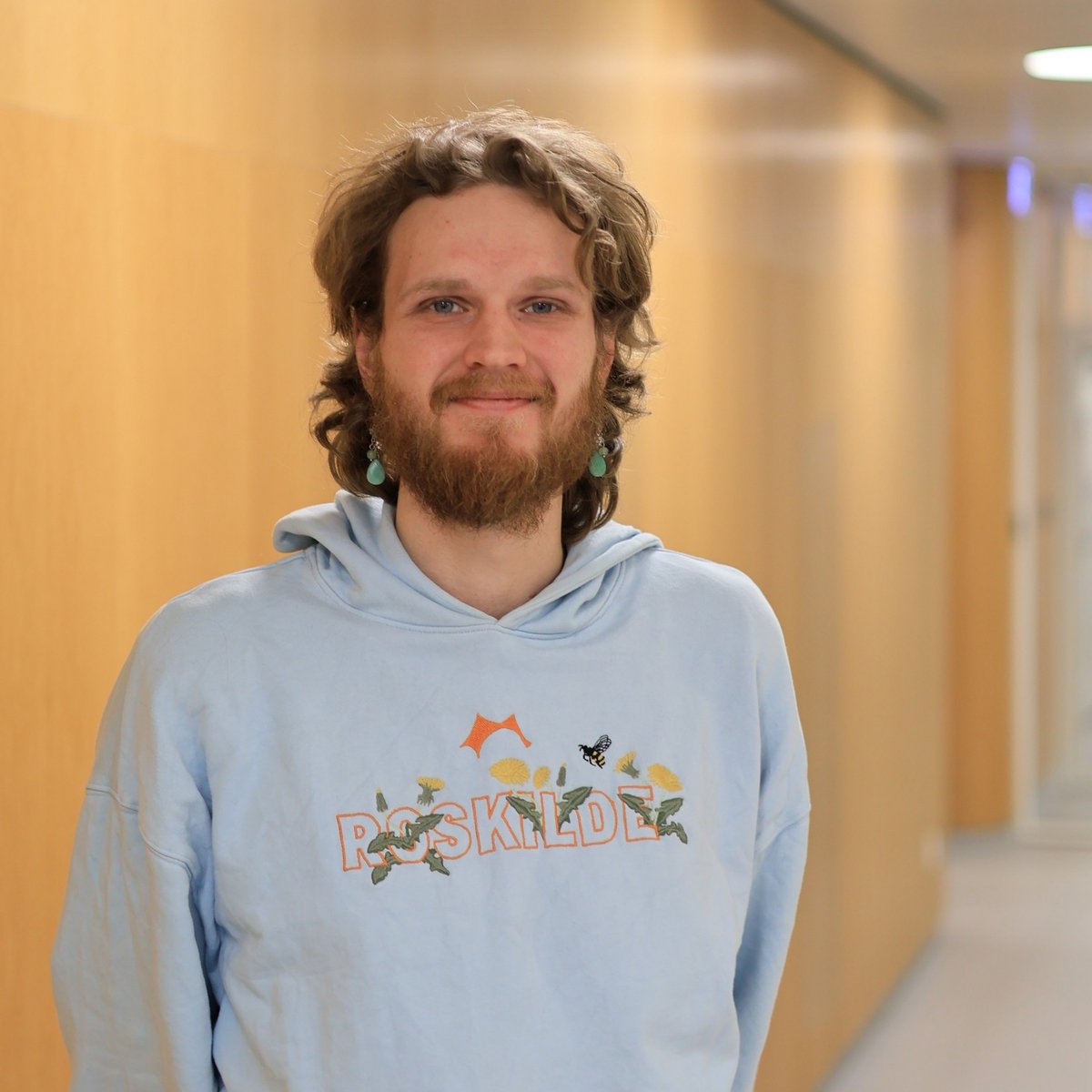
Pauline -Medical intern
Former Students
Former Students
Atlas -Medical Bachelors
Benjamin -Molecular Biology Bachelors
Johan -Medical Bachelors
Catharina -Molecular Medicine Bachelors
Doug Dimmadome -Owner of the Dimmsdale Dimmadome
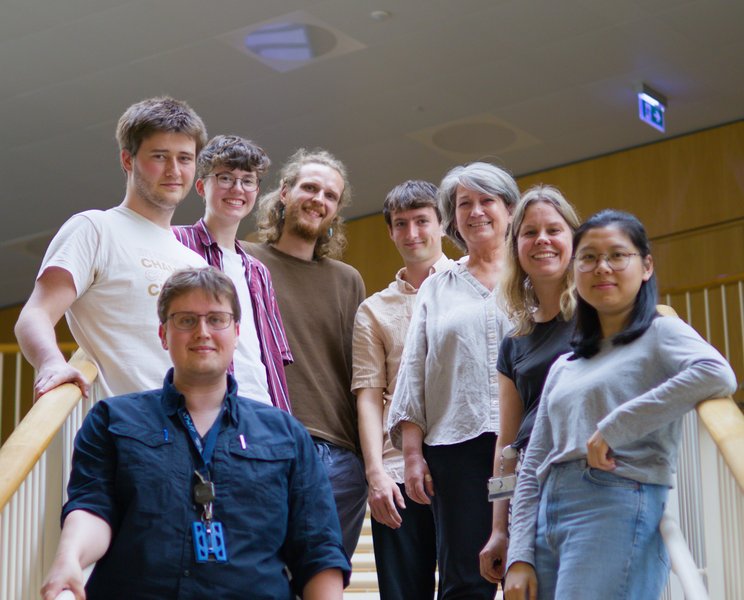
Group Photo