Although treatments for MS have increased tremendously in number and efficacy in recent years, these therapies often result in severe side effects and eventually fail to prevent disease progression in individual patients. Therefore, there is an urgent need to understand the complexity of each individual’s condition to efficiently match the therapy to the heterogeneous disease present.
Identifying predictive biomarkers in MS remains a critical and open question in the field. Consequently, novel additional approaches for patient-centric diagnosis and therapy prediction are needed. To study circulating immune cells that originate in the primary inflammatory loci within the brain, we adapt and apply a direct functional multi-omic approach to measure cellular dysregulation and activation of immune cells in MS patients in the periphery by combining serum lipidomics, single-cell transcriptomics, and functional single-cell analysis. In addition to serum, this DC project analyses rare, activated, and circulating immune cells to study their heterogeneity and functionality in MS and evaluate the additional value of this information to stratify patients into therapy classes.
To analyse individual cells, the hosting laboratory of Dr. Eyer at AU has developed a platform for the functional assessment of individual rare ex vivo immune cells. We are adapting the technology to the critical immune functionalities within MS and integrate bioassays that will allow us to quantify relevant pathways in individual cells. To evaluate the feature selection, we combine our results with a single-cell transcriptomic analysis.
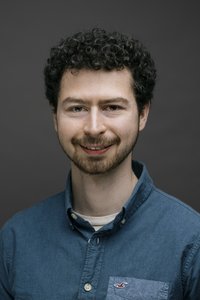
Pascal Kunz
In my PhD project, we are having a closer look at the heterogeneity and functionality of circulating immune cells and profile the serum lipidome of patients with multiple sclerosis. To do so, we study autoreactive and dysregulated immune cells using a multiomic approach combining single-cell analysis with serum lipidomics.
Research question: How can we identify and functionally characterize rare autoreactive immune cells in multiple sclerosis and integrate lipidomic profiling to discover biomarkers for monitoring disease progression, assessing treatment response, and guiding personalized therapeutic approaches?
Motivation: TRANSCEND embraces the complexity of neurological disorders (to a certain degree) rather than simplifying them into controlled models. This mindset and transdisciplinary strategy to advancing translational research is what motivated me to join TRANSCEND.